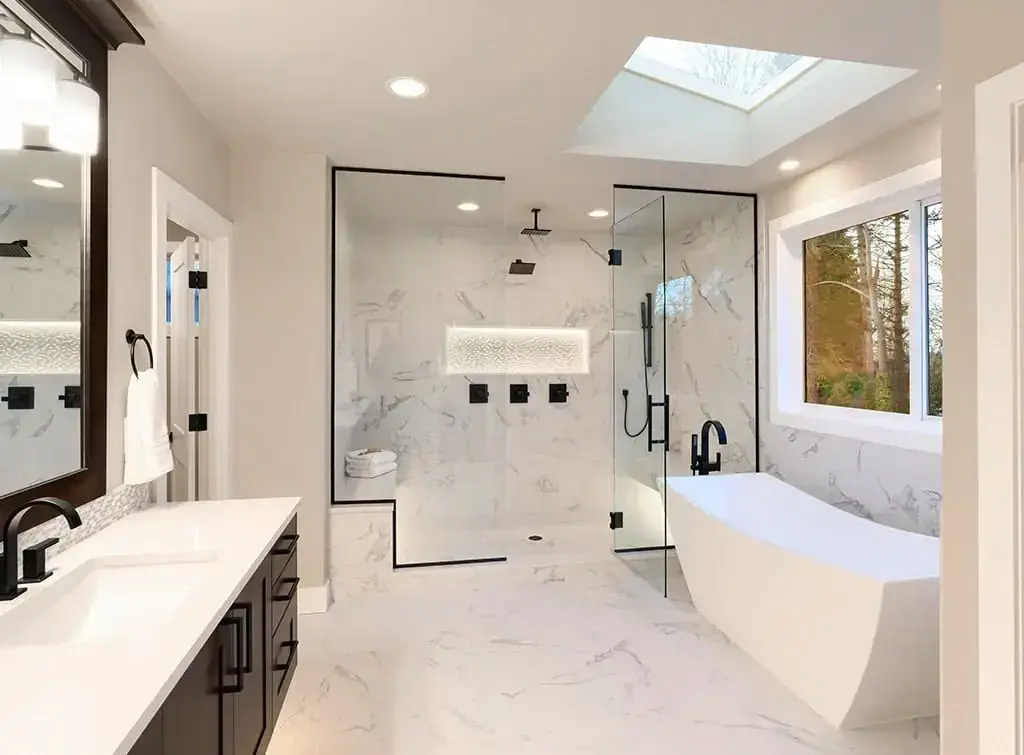
Few things are more enjoyable on a cold morning than stepping onto a warm bathroom floor.
That's one reason underfloor heating has become so popular in bathrooms. It provides comfortable heat without taking up wall space and works particularly well beneath tiles and other hard flooring. Whether you're renovating a family bathroom, installing a new en-suite or creating a luxury wet room, underfloor heating could be the perfect finishing touch.
Why Is Underfloor Heating Good for Bathrooms?
Bathrooms are often relatively small rooms, making them ideal for electric underfloor heating.
Rather than heating the entire house just to warm the bathroom, an electric system can provide targeted heating exactly where you need it. Benefits include:
- Warm floors
- Even heat distribution
- No bulky radiator
- Individual temperature control
- A cleaner appearance
- Comfortable tiled floors
Electric Underfloor Heating for Bathrooms
Electric underfloor heating is particularly popular for bathroom renovations.
Heating mats or cables can be installed beneath suitable floor finishes and connected to a dedicated thermostat. Because electric systems don't need to be connected to the home's wet central heating circuit, they can be a convenient option for individual rooms.
Why Are Tiles So Popular?
Ceramic and porcelain tiles are excellent conductors of heat. They allow warmth from the heating system to transfer efficiently into the room. Tiles also retain heat, meaning the floor can remain comfortable after the heating has switched off. This makes the combination of tiles and underfloor heating particularly popular in bathrooms.
Do You Need Insulation?
Suitable insulation is an important part of a bathroom underfloor heating installation.
Without appropriate insulation, heat can be lost downwards into the substrate. Insulation boards can help direct heat upwards towards the tiled floor. Fastwarm supplies insulation boards designed for use with its underfloor heating systems.
Where Should the Heating Go?
Underfloor heating should be installed in the areas where it can effectively heat the room.
Permanent fixtures such as some bathroom units may not require heating beneath them. The exact layout should be planned before installation. This is particularly important with electric heating mats, as the heating element must be installed according to the manufacturer's instructions and should not simply be cut to fit around obstacles.
Can You Put a Bath Over Underfloor Heating?
This depends on the type of bath and installation. Large permanent fixtures can affect heat transfer and should be considered when designing the heating layout. For this reason, the location of your bath, shower, toilet and vanity unit should be established before the heating system is installed.
What Thermostat Should You Use?
A thermostat gives you control over the temperature and operating times. For a bathroom, a programmable thermostat can be particularly useful. You can schedule the heating to come on before your morning routine and reduce it when the room isn't being used. Fastwarm offers a range of thermostat and control options for its underfloor heating systems.
Is Bathroom Underfloor Heating Expensive to Run?
Running costs depend on:
- The size of the bathroom
- Heating output
- How long the system runs
- Your electricity tariff
- Insulation
- Thermostat settings
Because bathrooms are usually relatively small, electric underfloor heating can be a practical way to provide targeted warmth without heating a larger area.
Can Underfloor Heating Replace a Bathroom Radiator?
In some bathrooms, underfloor heating can provide sufficient heat to act as the main heating source. However, this depends on the room's heat-loss requirements and the system's design.
Bathrooms with large windows or external walls may have greater heat requirements.
If you're relying on underfloor heating as the primary heat source, the system should be correctly sized for the room.
Is Underfloor Heating Safe in Bathrooms?
Underfloor heating is commonly used in bathrooms, but electrical installations in bathrooms must comply with the relevant UK electrical requirements and zoning regulations. Installation should be carried out correctly and by a suitably qualified person where required. Always follow the manufacturer's installation instructions and applicable regulations.
Bathroom underfloor heating is one of the simplest ways to add comfort and luxury to a renovation. Electric systems are particularly well suited to smaller bathrooms and en-suites, while tiles provide an excellent flooring finish for transferring heat. With suitable insulation, a quality thermostat and correct installation, you can enjoy warm floors whenever you need them.
Planning a bathroom renovation? Explore Fastwarm's electric underfloor heating systems, insulation boards and thermostats to create the perfect warm bathroom floor.